
Another Pandemic: Online Scams and How to Stay Safe
Submitted by Bernhardt Wealth Management on October 18th, 2021Have you gotten an email or even a text message recently, notifying you that you have won a prize or a contest and asking you to click on a link to claim your winnings? The message may have even come from what appeared to be an authentic source: your mobile phone service provider, Amazon.com, or some other name you readily recognized. Or you may have been alarmed to see that your online payment service—PayPal, Venmo, or even your bank—was warning you that your account had been hacked, and you needed to click a link or call a number to rectify the loss.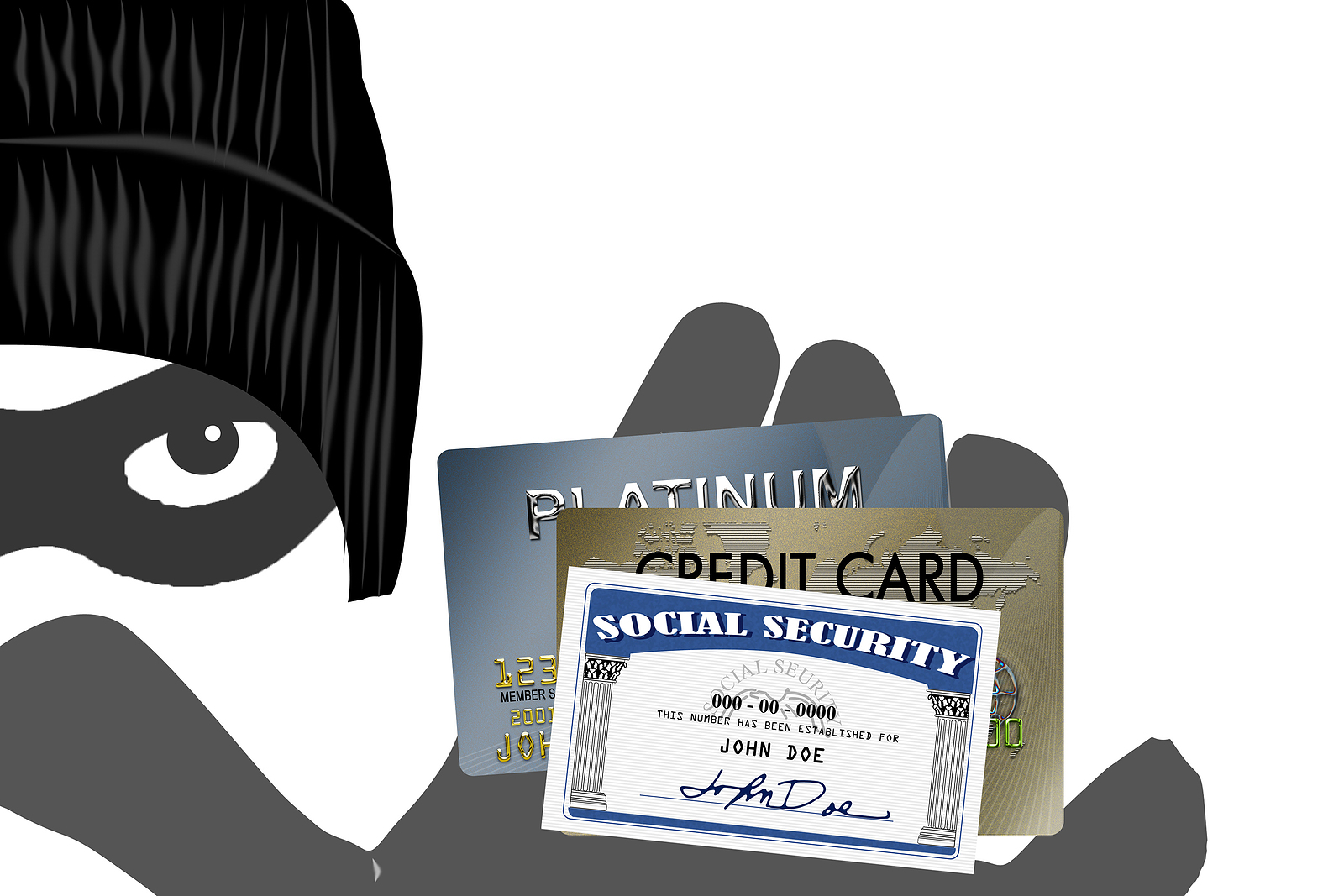
If either of these scenarios sound familiar, you may have been targeted by online scammers. Since the onset of the pandemic, the situation has only gotten worse. The Federal Trade Commission (FTC) received some 4.7 million reports of fraudulent activity and identity theft in 2020, up almost 30% from the 2019 figure. And in the first half of 2021, 67,000 tax-related fraud schemes have been reported. Losses to fraud in 2020 totaled over $3 billion, and the FBI reported a 69% increase in cybercrimes in 2019 and 2020.
It used to be relatively easy to spot a “phishing” attempt—a scam in which you are lured into providing vital personal information by clicking a link or making phone contact. In the past, phishing emails frequently contained obvious misspellings, poor grammar, and other signals of an unprofessional or “offshore” source. But scammers are becoming more sophisticated, utilizing graphics that can appear genuine and communication styles, both written and spoken, that seem authentic.
How can you stay safe? One way is by knowing how phishing attempts work. Most scammers work to create a sense of urgency by telling you that you must act immediately to solve a problem or claim a reward. For example, if you get a notice that your PayPal account has been hacked, instead of clicking the link offered in the email or text message, you should log in to your account independently to see if your account balance appears as it should. If your mobile service carrier is supposedly offering you a prize that must be claimed “within the next thirty minutes,” log in separately to your carrier’s website—not using the link offered in the communication—and see if the “prize” is mentioned anywhere. It also helps to remember that your bank, credit card company, the IRS, and most other service providers will typically never ask you to take action or provide personal information through a link in an email or text message. Instead, you will be asked to call a verifiable phone number or log in to your account by secured means.
If you believe that you have been victimized by scammers, you should contact your bank or other service provider immediately, according to guidance provided by the FTC. Tell your provider what happened and ask them to deny the charge and/or return your funds. Most banks, credit card companies, and other service providers provide a separate hotline for the purpose, and you can also report scams at USA.gov or by calling 1-877-382-4357 (9:00 a.m.–8:00 p.m., ET). You may also need to contact the major credit reporting agencies, Experian, TransUnion, and Equifax, in order to avoid identity theft or damage to your credit rating. It’s probably also a good idea to change your online passwords in order to prevent future problems. If you’ve been victimized once, your information could end up on a hackers’ list of “easy targets.”
In times like these, when we’ve all got enough to worry about already, it can seem discouraging to know that online hackers are trying to take advantage of trusting people for unlawful ends. But following the guidelines above can help you stay safer online while handling the important transactions we all need to complete. At Bernhardt Wealth Management, our sole aim is to provide the fiduciary advice and guidance our clients need in order to safely accomplish their most important goals in life. You can learn more by clicking here to read our article, “The Capital One Breach and Staying Safe Online: An (Unfortunately) Ongoing Series.”
