
Computer Chips in Our Brains? It’s Closer Than You Think
Submitted by Bernhardt Wealth Management on October 11th, 2021Is there a brain chip in your future? It may sound like science fiction, but based on current research, it could become science fact much sooner than you might expect.
Neuroscientists at BrainGate made history in 2012, when they inserted a chip in the brain of a person with an amputated arm, allowing him to control a robotic arm with his central nervous system. In 2017, the team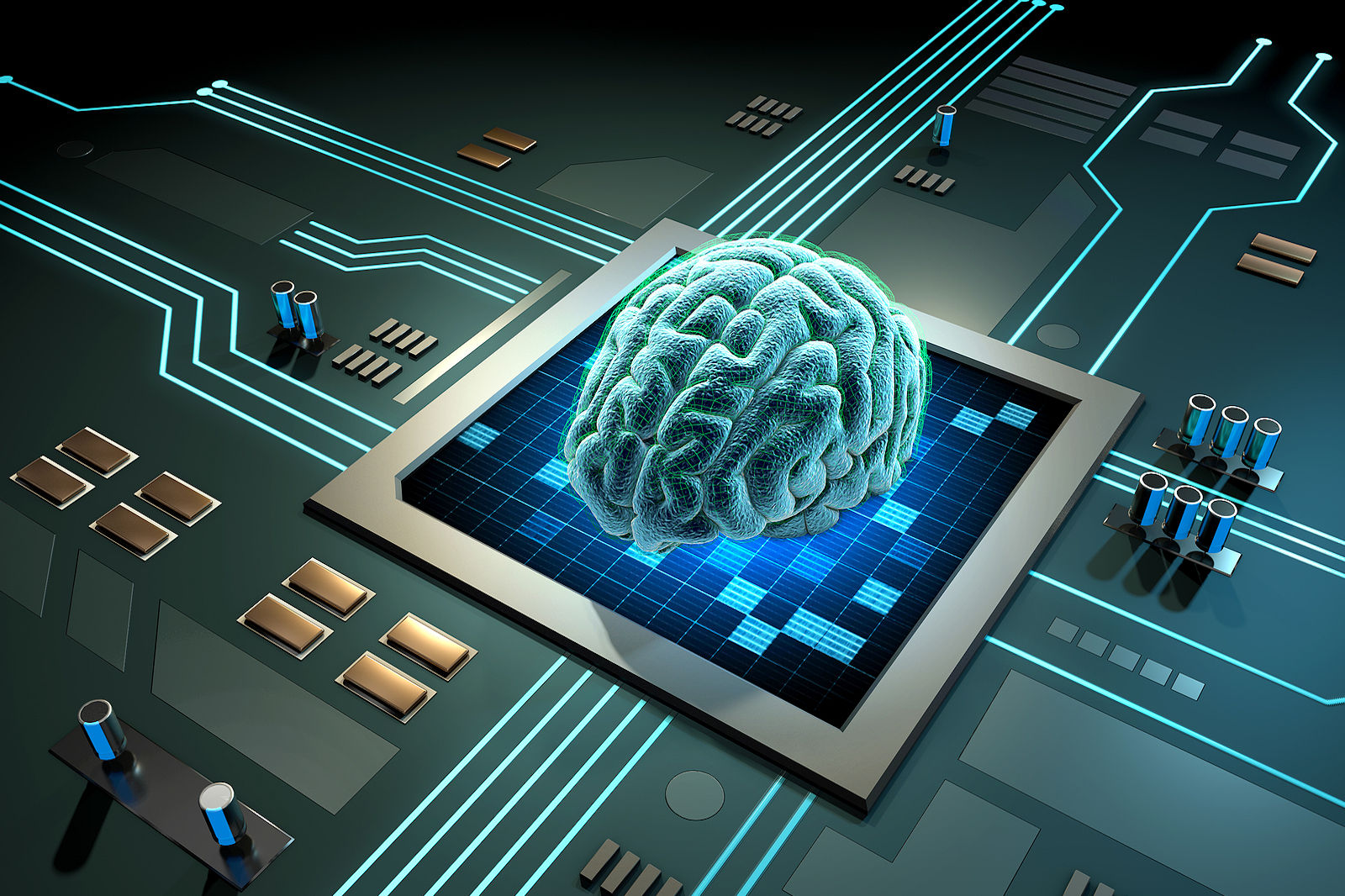 developed a thought-to-text system that allowed monkeys to “think” at a computer and have the computer transcribe their thoughts at the rate of 12 words per minute. Later the same year, a similar chip was installed in several people suffering from severe paralysis, allowing them to type on a computer screen at a rate of about eight words a minute.
That was the precursor to installing two sensors, each about the size of a baby aspirin, each with 100 hair-fine electrodes, into the brain of a man who had suffered a spinal cord injury that left him paralyzed below the shoulders. The sensors picked up his neural signals, which were processed by a computer to decode his brain activity, allowing him to write words on the computer screen at the record-breaking speed of 16 words a minute—about three-quarters of the speed that people achieve when typing on their smartphones. He used the ‘greater than’ symbol on his mental typewriter to denote spaces between words. More recently, similar technology has been used to help a paralyzed man regain partial control of his right arm and hand.
Elon Musk made news recently when he reported that his company Neuralink had successfully inserted a chip into the brain of a monkey that allowed the monkey to manipulate a simple video game with its brain. He even predicted that human trials could begin within the year.
Aspects of this technology aren’t exactly new. Cochlear implants that use electronic signals to directly stimulate the auditory nerve have been restoring hearing to deaf persons since the 1980s. More recently, retinal implants have been developed that use an electronic chip surgically inserted into the retina. By wearing glasses that transmit wireless signals to the chip, blind persons are able to experience rudimentary vision.
Of course, neuroscience still has a ways to go before we are reading each others’ minds. The new mental interface requires a specialized high-performance computer and a technician to set up the brain-computer interface and run the software. Brain surgery is also required to insert the sensory devices. But scientists believe that we are on the edge of creating a version of the technology that would be always available to the user who wanted to type, control a computer, perhaps even neurally communicate with others who have a similar chip.
While it is amazing to think what might be possible with such methods to assist those with neurologically based disabilities such as blindness, deafness, paralysis, or Parkinson’s Disease, many are less certain about the prospect of otherwise healthy individuals having computer chips implanted in their brains for the sole purpose of obtaining enhanced information processing or communicating abilities. According to a 2016 study by the Pew Research Center, about 70% of Americans say they are either very or somewhat worried about the possibility of technology that would “allow an implanted computer chip in the brain to give healthy people an improved ability to concentrate.” Two-thirds of those surveyed said they would not want to use this technology themselves.
At Bernhardt Wealth Management, we believe in the importance of a more “old-fashioned” communication method: listening. We place crucial importance on knowing as much as we can about our clients: their hopes, their plans for the future, and especially the legacy they wish to create. As fiduciary advisors, we provide counsel and recommendations aimed at helping them achieve what is most important to them. If you would like to find out more about how we work, please contact us.
