Inflation: Where Have You Been, and Where Are You Going?
Submitted by Bernhardt Wealth Management on July 19th, 2021We are accustomed to regular reports on the rate of inflation from the US Department of Labor. Inflation, measured by the amount of increase in the cost of commonly purchased goods and services as measured by the Consumer Price Index (CPI), has been running at a relatively low level for a number of years now. In fact, we finished 2020 with the CPI in the 1.4-1.6% range, well within what the Federal Reserve considers a manageable level of inflation for a recovering economy. Lately, there has been more talk of rising inflation, as the post-COVID economy heats up.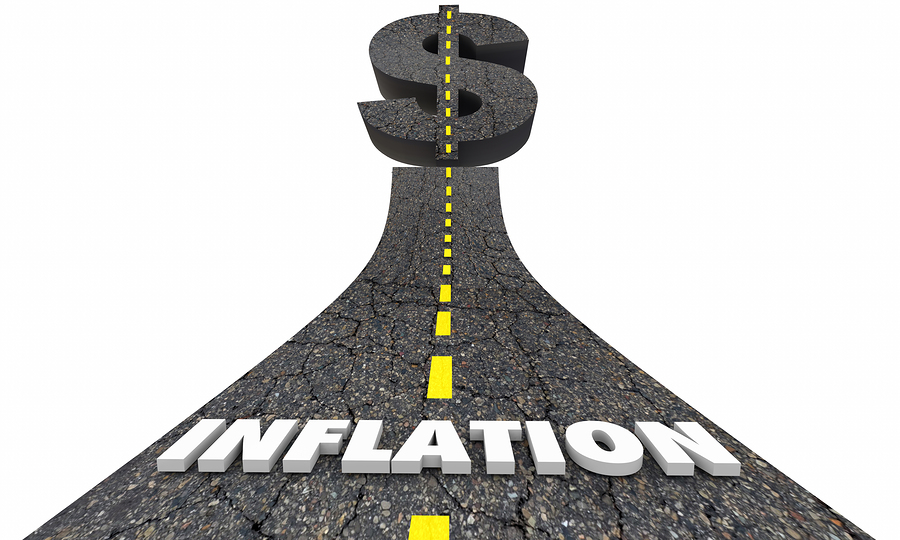
For many months inflation stayed persistently low. This has surprised many, given the enormous amounts of money that have been pumped into the economy since the Great Recession and especially over the last pandemic year.
Normally, when a larger money supply is chasing the same or a lower amount of goods and services, we would expect the cost of those goods and services to increase, due to the law of supply and demand. But despite the dramatic increase in the monetary supply, inflation remained tame for quite some time, in the view of the Fed.
Part of the answer may be that we were looking in the wrong place for inflation. Rather than measuring it by increases in the CPI, perhaps costs were increasing in other areas that aren’t included in the CPI: home purchases and investment income.
US housing prices, in the aggregate, rose 8.4% last year, and median listing prices for houses on the market were up 14.4%—two numbers that would be considered highly inflationary. And if we are looking for the pain caused by inflation, then you can point to the housing affordability crisis that is emerging in 2021. But the cost of purchasing a home, unlike rent, is not factored into the CPI, because when you buy a home you are acquiring an asset, not a consumable good or service.
The cost of acquiring income from an investment portfolio provides an even more dramatic example. When you consider that high stock prices reduce the value of dividends proportionately and low bond rates make interest income more expensive, the cost to “buy” $1,000 a year of income in the investment markets has risen considerably. Historically, if you invested $25,000 in a portfolio evenly divided between stocks and bonds, that portfolio would generate $1,000 a year of income. Today, to achieve that same amount of income from a 50/50 portfolio, you would need to invest roughly $80,000.
But the economic winds appear to be shifting. While real estate and the cost of acquiring investment income, as described above, remain at historically high levels, the rest of the economy appears to be showing signs of entering a more inflationary environment. The Fed, until recently, insisted that this trend was “transitory” and that inflation was unlikely to rise to unmanageable levels. But recent comments may indicate a less sanguine view about inflation. A few days ago, Fed chair Jerome Powell conceded that inflation was running “higher than we expected and a little bit more persistent.” He also insisted that the Fed would do what was necessary—including higher interest rates—to keep inflation in check. Talk of higher rates, in turn, tends to roil the financial markets, as this is seen as making it more expensive for businesses to operate, thus depressing stock prices. And, in fact, in recent weeks, most of the down days in the markets have been related to perceptions of rising inflation and the prospect of Fed tightening.
As fiduciary wealth advisors, we provide research-based, market-tested advice for navigating the economic environment and mitigating risk. If you have questions about how inflation could be affecting your portfolio or your plans for retirement, click here contact us to schedule an appointment. We would value the opportunity to help you find answers.
