
Cryptic Investing: Bitcoin and the Average Investor
Submitted by Bernhardt Wealth Management on March 8th, 2021It’s time for a pop quiz: What was the highest performing asset over the decade ending on January 1, 2021? US stocks? International bonds? Commodities? The stock market of a random emerging nation?
Any of those might be decent guesses, but they’re all wrong. The asset—if you can call it an asset—that delivered the highest performance, by a wide margin, was the cryptocurrency known as Bitcoin. The value of a single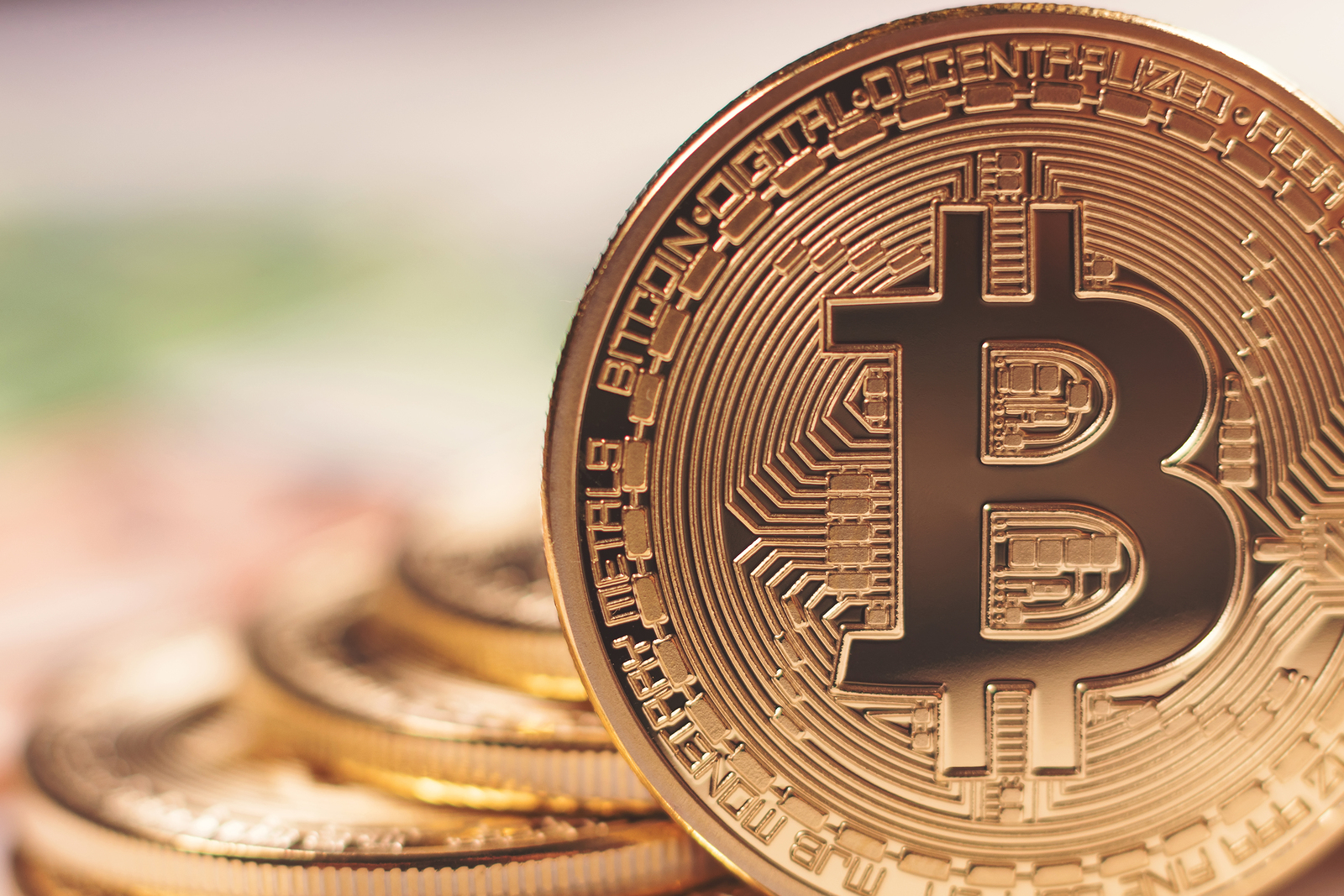 Bitcoin rose nine million percent over the past decade.
As we previously noted in a 2018 blog, there are a few problems with calling Bitcoin an “asset,” much less an “investment.” The first is that they are not backed by any government—or, for that matter, any tangible asset. If you own shares in a stock, you are part owner of the actual company backing up those shares. If you own municipal bonds, there’s a state or local agency that is pledged to make sure you get your money back, plus interest. The value of dollars, yen, pounds, and even rubles are all guaranteed, respectively, by the US government, Japan, the UK, and Russia.
So, what’s different about Bitcoin and other cryptocurrencies? Suppose that, one day, enough people decided that Bitcoin—which are basically entries into shared accounting systems on computers around the globe—were worthless. In that case, it would be hard to get anybody to exchange your Bitcoin for actual currency.
There does appear to be actual fluctuation in this trust level. The coins gained 165% in the final quarter of 2020, rallied again in the first three days of 2021, reaching a peak price above $34,000 per unit, and then suddenly fell 13% in a single day. That type of volatility is greater, by orders of magnitude, than even the most speculative stocks.
The second problem with Bitcoin is that it’s still hard to use it as actual currency. A small number of retailers will accept it, though cryptocurrency still appears to be a favored way to buy and sell large quantities of illegal narcotics and automatic weapons on the global marketplace. There are roughly 6,370 Bitcoin ATMs in the US, which theoretically will convert some of your Bitcoin into dollars, but these automated systems are causing money laundering concerns among government officials. In fact, we wrote in a 2019 blog about the many scams and other illegal activities associated with cryptocurrency. For example, if you’ve ever been involved in a ransomware attack, you probably have some familiarity with Bitcoin. The hackers who steal or encrypt your files typically want to be paid in the cryptocurrency, although, admittedly, this illicit activity still accounts for only one percent of all Bitcoin transactions.
Maybe the biggest problem with having millions of dollars stored in a “wallet” on your computer is that if you lose your password or your laptop, or you die without telling anyone else your password, then your Bitcoin—and that part of your net worth—will vanish forever. With actual investments like stocks, bonds, commodities, and others, a custodian keeps careful track of what you own and provides access so you can see the value of your account at any time of the day or night.
Perhaps most telling, though, is that whenever an asset rises nine million percent for no obvious reason, it’s possible that we are experiencing a bubble that could burst at any moment. For most investors, we would advise staying away from such a possibility, especially when the bubble is around an “asset” of such a questionable nature.
If you have questions about your other assets, we are here to provide answers; please feel free to contact us. And to learn more about the basics of investing, click here to read our special report, “The Informed Investor.”
