
Cryptocurrency Cons: Don’t Be Victimized
Submitted by Bernhardt Wealth Management on May 13th, 2019Previously, we have featured on the Bernhardt Wealth Management blog information about cryptocurrency—digital “money” like Bitcoin, Ethereum, Ripple, and many others—including some basic background information and a few thoughts on what place, if any, Bitcoin and other cryptocurrencies might have in an investment portfolio.
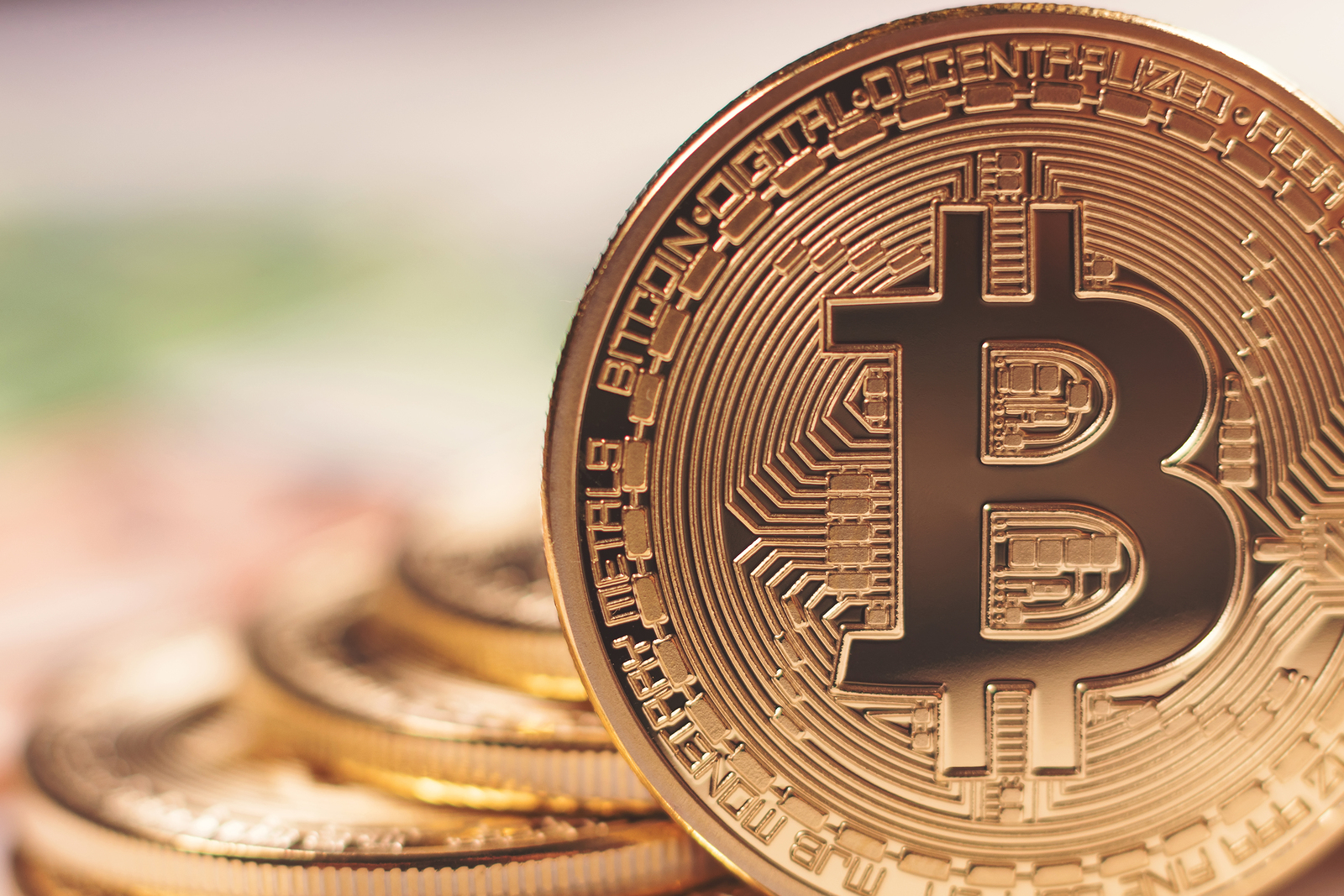 In both instances, and in any discussion around this topic, we have emphasized that cryptocurrency is still a very new concept, that it is largely unregulated at this point, and that any investment in any of the hundreds of varieties of cryptocurrency now available should be made with extreme caution, in the vast majority of cases. For one thing, even the most well-established cryptocurrencies are subject to wild fluctuations in value. Bitcoin, the original cryptocurrency, offers a typical example. When first invented in 2009, one Bitcoin had a value of about five cents. By early 2017, a Bitcoin was worth about $1,000. The value rocketed to $20,000 per Bitcoin by the last quarter of 2017 before falling to $12,000 before the end of the year. Presently, a Bitcoin is worth about $6,000.
But price volatility isn’t the only thing investors have to worry about. As with almost any new technology, cryptocurrency is proving ripe for exploitation by scammers. This has become even more apparent of late, with the U.S. Securities and Exchange Commission (SEC) and other agencies sending fraud alerts regarding scams operated by purported cryptocurrency “traders.” Recently such a bulletin appeared on the consumer site operated by the SEC, Investor.gov, warning of several schemes in which supposed “advisors” or “traders” touting expertise in the cryptocurrency markets are promising investors “no-risk” returns of 50% or more in a very short time frame. Once the investment is made—typically in Bitcoin or some other digital asset—the fraudsters break off all contact. In other cases, they claim that the investor can withdraw the profits, but only after paying a fee, sometimes characterized as a “tax,” to enable the withdrawal.
Several individuals have been charged with money laundering, wire fraud, and other federal crimes in connection with such fraudulent operations, but these scams are popping up quicker than regulators can stamp them out. In other words, investors will need to continue to exercise diligence to avoid being victimized by these scams. Key things to watch out for:
• “Guaranteed” returns that sound too good to be true. You know the rest of this proverb.
• Complicated jargon and technical language that is difficult to understand. If you can’t understand it, you shouldn’t send money.
• Unlicensed sellers. You can check for credentials here.
• Unsolicited offers. If you didn’t ask them to get in touch in the first place, you should stop communicating with them.
• Pressure to buy NOW. Scammers almost always insist that you must act immediately. That is a huge mistake.
If you believe you’ve been contacted by a scammer, you can call the SEC enforcement hotline at 800-732-0330, or you can email the enforcement division directly at help@SEC.gov. Whatever you do, don’t allow anyone to pressure you into any investment you don’t understand or don’t feel comfortable with. It’s just not worth it.
