
The tragic images coming from the Texas Gulf Coast over the past few weeks and from Florida and the Caribbean over the past few days have surely reminded us all that natural disasters are no respecters of persons. In Houston, flood waters inundated neighborhoods filled with shotgun houses and exclusive suburban areas featuring million-dollar homes located on previously serene, wooded lots. Once the rains came, it made no difference: homes in both locations filled with water, driving the residents to rooftops, second stories, and, ultimately, to shelters holding thousands of evacuees.
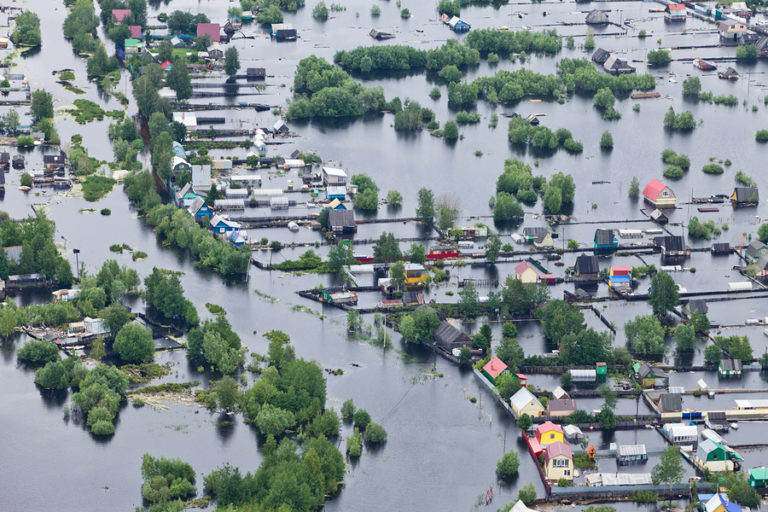
How do you recover financially from a natural disaster like Hurricane Harvey and Hurricane Irma? How do you prepare for the next one? Perhaps you don’t live on the coast and you aren’t worried about hurricanes, but flash-flooding can occur far inland. And what about earthquakes, damaging hail, tornadoes, or wildfires, like the ones threatening California and the Northwest as these words are being written?
Anyone who owns property or has any type of financial assets needs a recovery plan for natural disaster. Over the next few weeks, we’ll be examining various aspects of natural disaster and looking at ways you can prepare yourself, your family, your property, and especially your financial infrastructure. While none of us can control the weather or the global environment, we can take measures to aid the quickest possible recovery from those cataclysmic events that none of us like to think about.
First, let’s think about what you’ll need as you begin the recovery process. In order to work as efficiently as possible with insurers, law enforcement, public safety officials, federal assistance personnel, and others, here is a list of some of the main documentation you’ll need:
- Birth certificates
- Death certificates, if applicable
- Marriage certificate
- Wills and Powers of Attorney (POAs), including medical POAs
- Social Security cards
- Medical records, including prescriptions
- Insurance policies (life, health, disability, long-term care, auto, homeowner’s, if applicable)
- Checking and savings account information
- Retirement and brokerage account information
- Recent pay stub
- Recent utility bill
- Vehicle titles and/or registration
- Mortgage and/or deed documents
- Safe deposit box information and key
- Credit card information
Keep in mind, this is not an exhaustive list. You may have other documentation particular to your situation that is just as important as anything shown above. The point is, you need to have a collection place for these documents, and it needs to be able to survive a natural disaster. Ideally, you should be able to grab the container with all these papers and carry it with you as you are evacuating to a safe location. It is also possible that some of this information is stored in digital form. If so, are the data backed up on a server or other device that would survive local flooding, a major earthquake, or a fire? Is the information secured so that only authorized persons can access it? There are a number of cloud backup services that can help you make sure your most critical data are safe. Even if you must pay a small monthly service charge, the peace of mind that comes with knowing your critical documentation is safe and readily accessible is far more valuable.
In a future article, we’ll look at the immediate aftermath of a natural disaster: whom should you call first? What creditors should you prioritize, and which ones should you reach out to earliest? Are there sources for emergency cash assistance? Answering these questions will form the basis for your natural disaster financial recovery plan.
NOTE: Many of the ideas in this article come from “Disaster Recovery: A Guide to Financial Issues,” published with the cooperation of the National Endowment for Financial Education, the American Institute of Certified Public Accountants Foundation, and the American Red Cross, available and can be found on the web at the link above.
